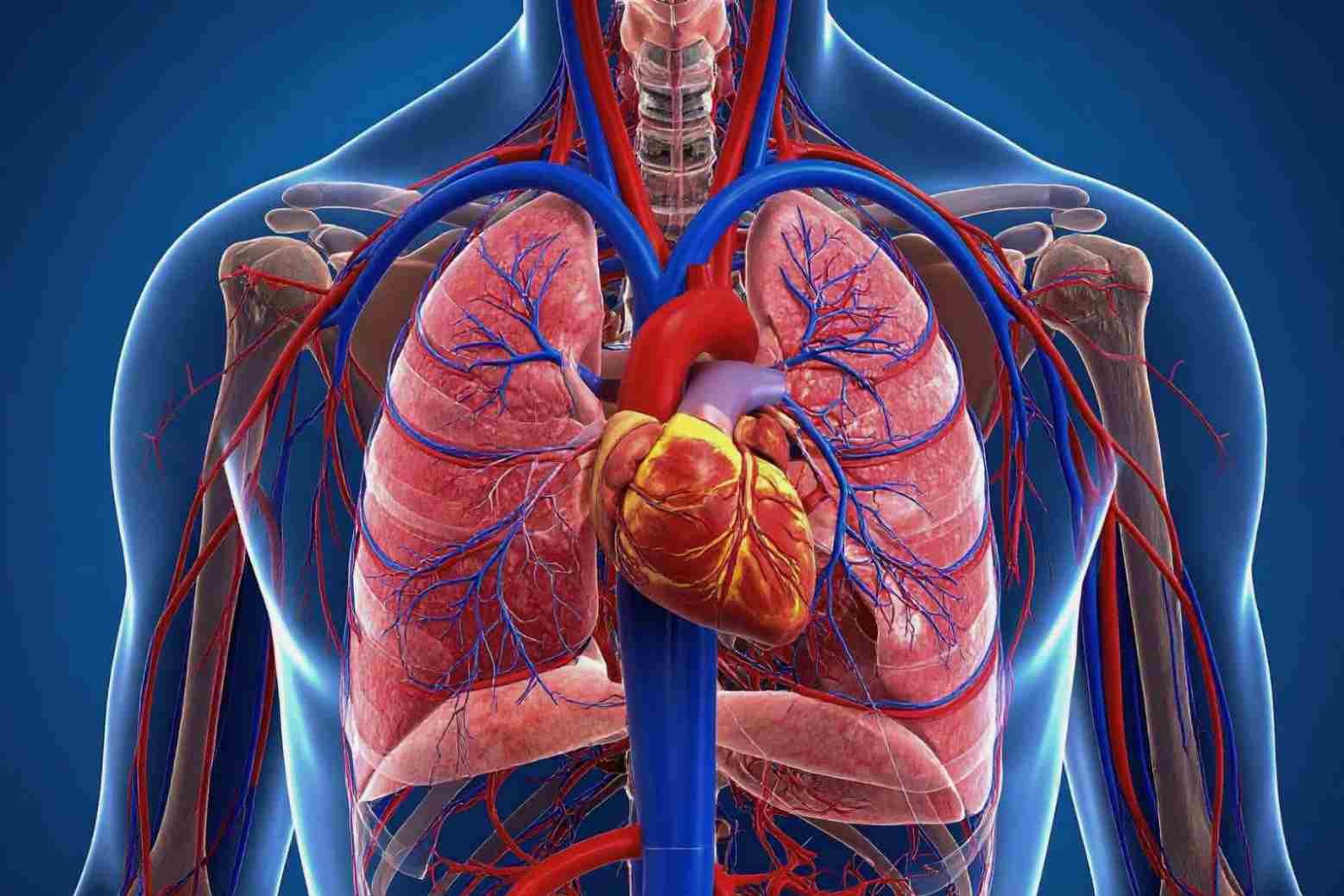
Today, heart health has become a big concern in life. Dying lifestyle has added to an increase in lifestyle diseases like high blood pressure, diabetes, obesity and cardiovascular. Many heart conditions develop over the course of many years and do not have any early warning signs. The great news is that there are simple daily habits you can adopt to protect and even improve your heart health. You do not require drastic routines or exorbitant treatments. Small changes, done every day, can make a real difference; going a long way in preventing heart disease and enhancing quality of life.
Lifestyle’s Impact On Heart Health And How It Can Be Prevented
The body keeps it’s hardworking heart pumping blood around the clock. When lifestyle habits are poor, the heart needs to work harder. Unhealthy eating, lack of physical activity, stress and smoking put extra strain on the heart and blood vessels. Most lifestyle diseases aren’t caused by sudden harmful events, but they grow as a result of years worth of bad habits. High cholesterol, high blood sugar and excess body weight slowly clog up the arteries and damage the heart. Grasping this link allows people to concentrate on prevention, rather than cure.
Heart Healthy Eating Habits
Diet is hugely important to heart health. Heart disease is exacerbated by diets that pile on processed foods, too much salt, sugar and bad fats. Conversely, balanced natural foods maintain the stability of blood vessels and the level of cholesterol. Heart healthy eating is less about hard and fast rules and more about flexibility and choices. Fruits, vegetables, whole grains and healthy fats are good for long term heart health.”
Some heart friendly eating habits to follow are:
- Reducing excess salt and sugar
- Choosing fresh and home cooked meals
- Eating balanced portions regularly
Good eating habits naturally help in controlling blood pressure and cholesterol.
Importance Of Regular Physical Activity
Exercise helps to keep the heart strong and improve the circulation of blood. A lack of activity can lead to heart disease and other lifestyle based illnesses. And exercise doesn’t have to be strenuous. Consistent movement in the form of walking, biking or gentle gym exercise increases heart efficiency. Exercise is also important for controlling weight, blood sugar and levels of stress.
How to Charge Up the Body and Recharge the Heart? Reduce Your Stress
Being stressed can be bad for your heart. Most people are aware that chronic stress increases blood pressure, heart rate and inflammation. A lot of people dismiss stress, but the thing is over time it does increase your risks of heart disease. Stress management helps the heart beat and function in its best way. Light stress relieving options such as deep breathing, taking a break or setting limits also lower mental tension.
Having A Healthy Body Weight And Balance
It then exerts additional pressure on the heart. They also increase the risk of developing high blood pressure, diabetes and high cholesterol. Weight Here are just a few reasons why maintaining an optimal weight is essential for heart health. It helps your heart do its job more efficiently And lowers your chances of developing thanks to Top 5 Diet Myths Debunked. Sensible dieting is all you need for a healthy weight management recipe. Proper nutrition, exercise and rest assist the body with maintaining its natural balance.
Quality Sleep And It’s Role The Heart Can Play
Sleep is important for heart recovery and function. Poor sleep also messes with blood pressure, hormones and stress. Night owls are at greater risk of heart disease than early risers. Ensuring that your sleep is scheduled and the environment in which you sleep are both calm and orderly will help to improve the quality of your sleep. Heart and blood vessels need good sleep in order to recover.
Avoiding Harmful Habits That Damage The Heart
There are certain habits that can dramatically increase the risk of heart disease. Smoking, heavy alcohol consumption and extended periods of inactivity mar blood vessels and impair the function of the heart. When those habits are cut back or eliminated, heart health gets better and better. Small changes can add up to significant benefit.
Regular Health Checkups And Awareness
Many heart-related conditions develop silently. Routine screening helps identify high blood pressure, cholesterol or spikes in blood sugar early on. The reason is that awareness provides an opportunity for timely interventions (lifestyle changes) before damage occurs. The examination of health determinants can assist in prevention and not cure. The better you know your numbers, the more likely you are to protect your heart.
Conclusion
Daily lifestyle decisions are crucial to heart health. balance your life, a combination of healthy nutrition, exercise, stress management, sleep hygiene and weight management will ultimately decrease the risk for lifestyle diseases. These are not habits that need perfection or some super human effort. Consistency is the key. Through these simple, daily acts of caring for the heart, health is maximised long term and so naturally lowers risk and prevents disease. A strong heart is the foundation for a healthier, more active lifestyle.
FAQs:
Q1. Do Lifestyle Changes Lower Your Risk for Heart Disease?
Indeed, lifestyle is very important in heart disease prevention.
Q2. The right amount of exercise for heart health
About 30 minutes of moderate exercise most days is helpful.
Q3. Can Stress Hurt Your Heart?
Yes, chronic stress does increase your risk of heart disease.
Q4. Is Diet or Exercise More Important For Heart Health?
The two are interconnected and each is equally important.
Q5. When Should I Start Thinking About Heart Health?
Heart health is an issue no one should ignore at any age.