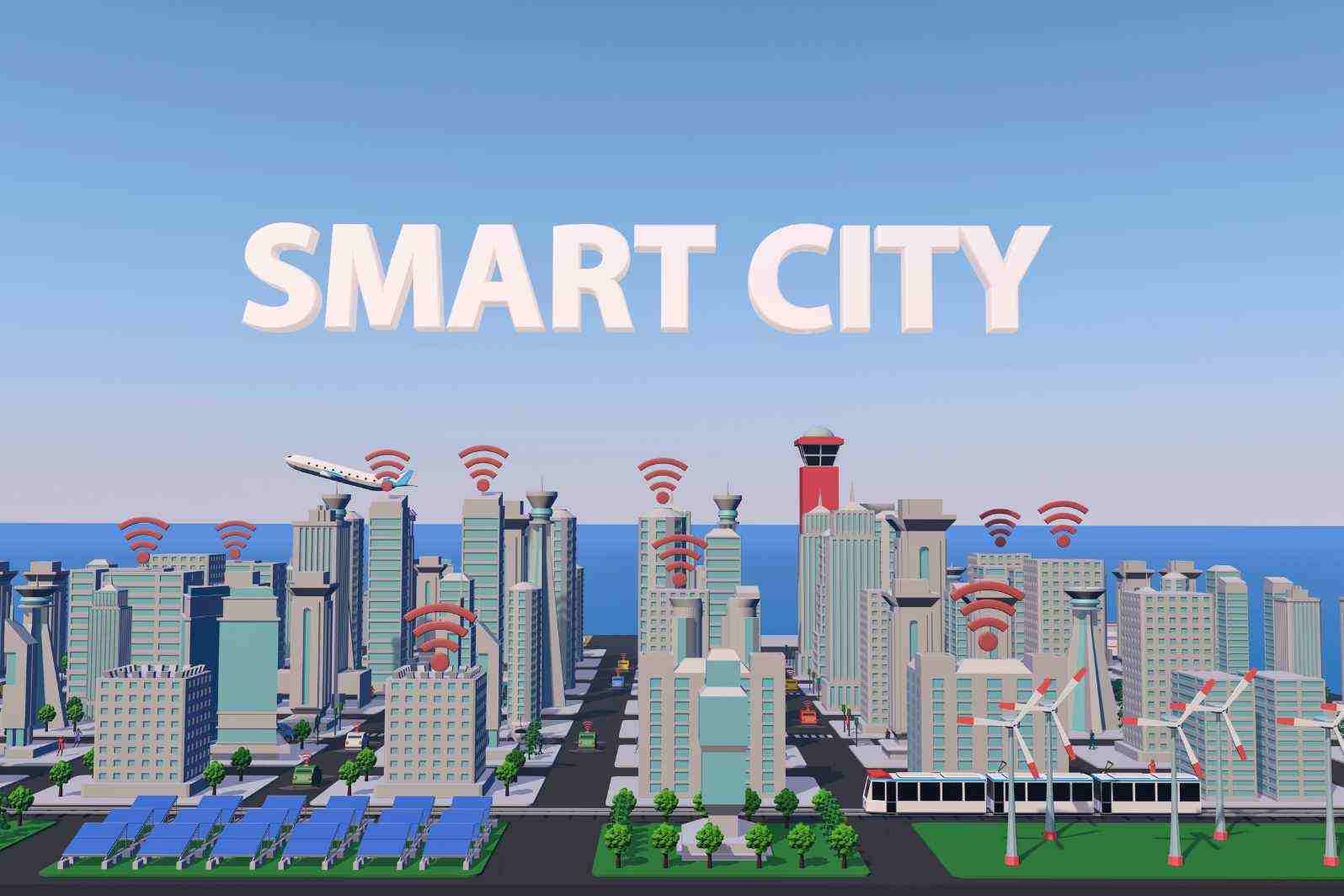
Smart city is a hot topic in the field of urban construction nowadays. Traditional city planning is inadequate in the face of fast growing cities, populations and pressures on infrastructure. Smart cities seek to address these challenges, and more, through the use of technology, planned infrastructure and models of sustainable development. It also means they are upending how people live, work and invest.
Smart Cities A Brief Overview
Smart cities seek to leverage technology and data-based long term planning to enhance quality of life, economic viability, and sustainability. They stress the importance of governance, public services that work, digital connectivity and sustainable development. Smart cities don’t just mean homes with technology in real estate terms. They are good roads, reliable public transit, intelligent utilities and digital infrastructure, efficient waste and water management. These characteristics provide orderly urban spaces that are appealing to citizens, businesses and developers.
Real Estate’s Relationship to Smart City Development
Real-estate demand is directly affected through smart-city development that enables infrastructure and higher quality of living. When a city begins to modernize its transport, utility and digital-services infrastructure, surrounding areas become more appealing for residential and commercial investment. Property development within smart cities is typically intelligently designed, rather than chaotic. This eliminates traffic, adds usability to the property and increases sustainability. It is easier for developers to take a chance on these places because clarity from the regulators and infrastructure mitigates risk.
Rising Demand For Residential Properties
A major effect of smart cities is on residential real estate. Advanced infrastructure coupled with superior civic amenities draw working professionals, families and young purchasers. He asked, who wouldn’t like to live in an environment with convenient daily needs shops, good public transport and efficient safety systems. Smart cities bring these advantages and in turn, housing demand rises. Absorption for these projects are often accelerated over conventional developments of these same localities.
There aren’t actually that many reasons for ever increasing residential demand:
- Better connectivity to employment hubs
- Improved safety and surveillance systems
- Access to health, education and public services
This continuous demand is a good foundation to keep end-users and long-term investor happy.
Commercial Space And Office Growth
The commercial real estate market is also buoyed by strong demand from smart cities. Businesses want places where they can easily access online connections and move their goods, and maintain reliable water, gas, sewer and power lines. Smart cities offer all these basics, and are thus ideal for offices, IT parks and business centers. An increase in smart city real estate hiring talent and better urban planning are directionally positive signs for businesses looking to grow their operations in smart city clusters. That in turn fuels demand for offices, co-working spaces and retail areas.
Infrastructure And Connectivity Are The Main Growth Drivers
Smart cities need infrastructure development and that is one of the primary factors driving demand for real estate upwards. Good roads, metros, airports and public transport cut down travel time as well as enhance productivity. Connectivity again is a vital factor in deciding the value of property. Districts linked to large employment areas and city centres tend to experience the fastest increases in value. The conventional approach to smart city makes certain that the quality of life, residential, commercial and recreational areas are well-incorporated.
The following are a number of important trends driving demand: Key Infrastructure Drivers.
- Metro and rapid transit systems
- Intelligent Transport Systems and Traffic management
- Digital connectivity and utilities
Supportive infrastructure is key to long-term stability of real estate.
Investment Opportunities And Emerging Zones
Smart cities open up new investment tracks, especially on peripheral and emerging fronts. But as infrastructure grows, then places that were once seen as remote end up being hot residential and commercial zones. Those early to invest in such zones tend to enjoy lower entry prices and greater appreciation over time. But not every city is growing at the same rate. Investors should concentrate more on areas where there have been infrastructure projects already planned, job base and government support.
Risks And Challenges To Consider
Smart cities show strong growth potential but challenges too. Short term returns may be affected by project delivery period, step-wise development and change in government & regulation. There is no uniform infrastructure or level of service to which all projects bearing the “smart” label conform. Buyers and investors are advised to check the actual status of a development in person instead of depending on advertisements. Location-specific research is essential.
Conclusion
The future of real estate growth is being driven significantly by smart cities. These cities are witnessing a healthy residential demand and subsequent requirement for commercial spaces due to superior social infrastructure, better connectivity and planned urban development. There is increase in the demand for real estate on account of better inhabitance, employment and long term growth potential in the smart city regions. Just be sure to pick the right place, know how long you have until it’s ready and do it with a long-term view in mind. With thoughtful investing and buying, investors and homebuyers can find excellent opportunities for real estate sustainability in smart cities.
FAQs:
Q1. What Attracts Investors To Smart Cities For Real Estate Investment?
Smart cities are well-developed and planned and thus have better infrastructure, connectivity etc. and hence property values surge there.
Q2. Higher Residential Demand: Is A Pull For Smart Cities?
Yes, better amenities and service attract residents making housing demand increase.
Q3. Do Smart Cities Yield Better Rents?
In most cases, yes, particularly in locations near job centers and transit lines.
Q4. Are Smart City Homes are Expensive For First Time?
There are territorial differences, but rates sometimes start from these points in new smart city areas.
Q5. What Should Investors Look Before Investing In Smart City Areas?
Investors should do their homework on infrastructure planning, execution of the project, connectvity to location and credibility of the developer.